






Venture Capital vs Angel Investors
Compare angel investors and venture capital by funding stage, investment size, decision process and support to find the right fit for your startup.
Startups must first understand all fundings are not equal.
One of the biggest mistakes founders make is raising money from the wrong investor at the wrong stage.
Angel Investors often invest early, offer mentorship, and move quickly.
Venture Capitalists (VCs) typically inject larger amounts into startups with traction and mostly ready to scale.
A basic understanding of these differences can help you choose the right funding partner, protect your equity and build a stronger fundraising strategy.
It’s not just about money
Most founders think ‘an investor is an investor.’ That’s one of the biggest fundraising mistakes. Choosing the wrong investor can cost you equity, control, growth opportunities, even your company.
What is an angel investor?
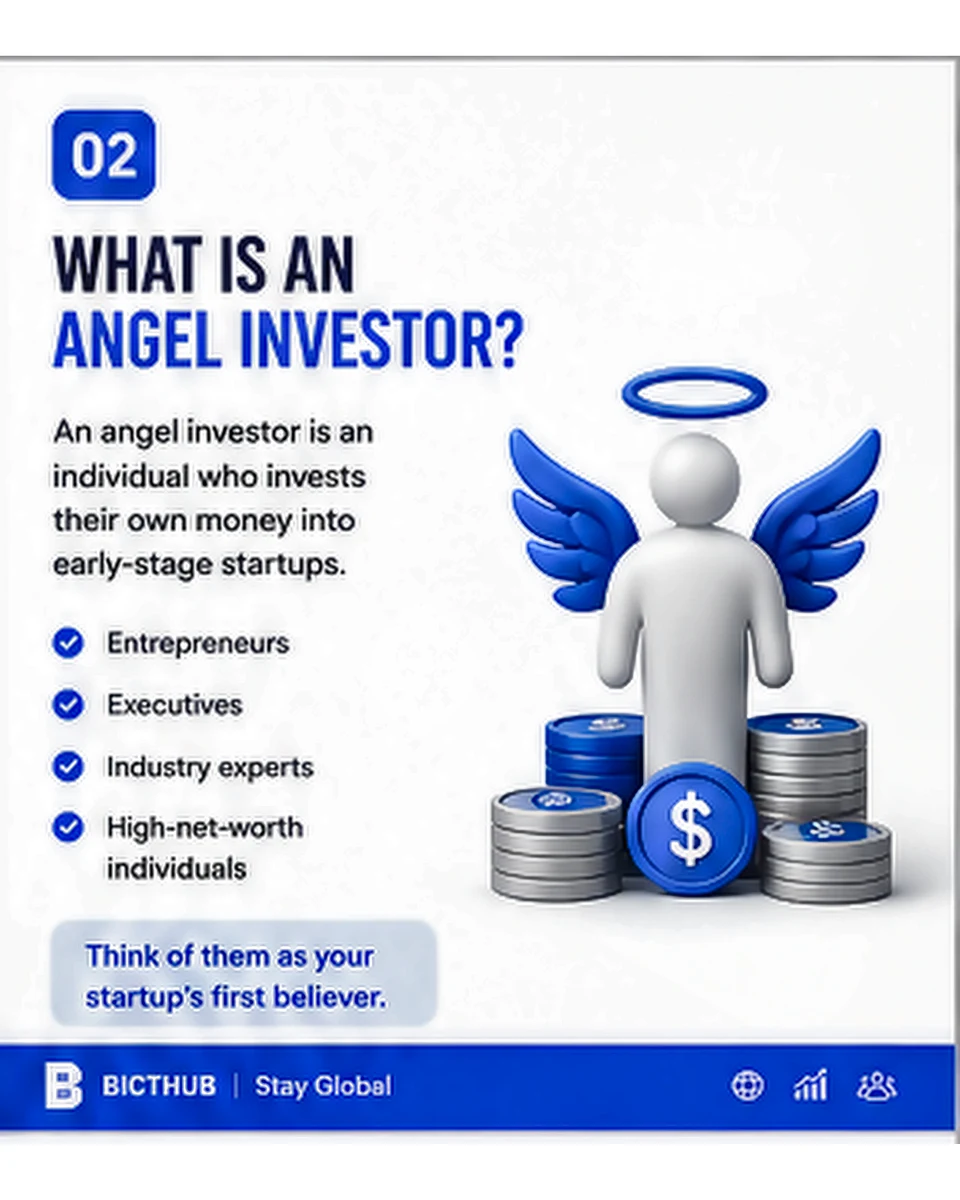
An angel investor is an individual who invests their own money into early-stage startups.
- Entrepreneurs
- Executives
- Industry experts
- High-net-worth individuals
Think of them as your startup’s first believer.
What is venture capital?
Venture Capital (VC) firms invest other people’s money into startups with massive growth potential. Their goal: Turn a great startup into a billion-dollar company. VCs manage investment funds—not personal savings.
Angel investors: best for early stages
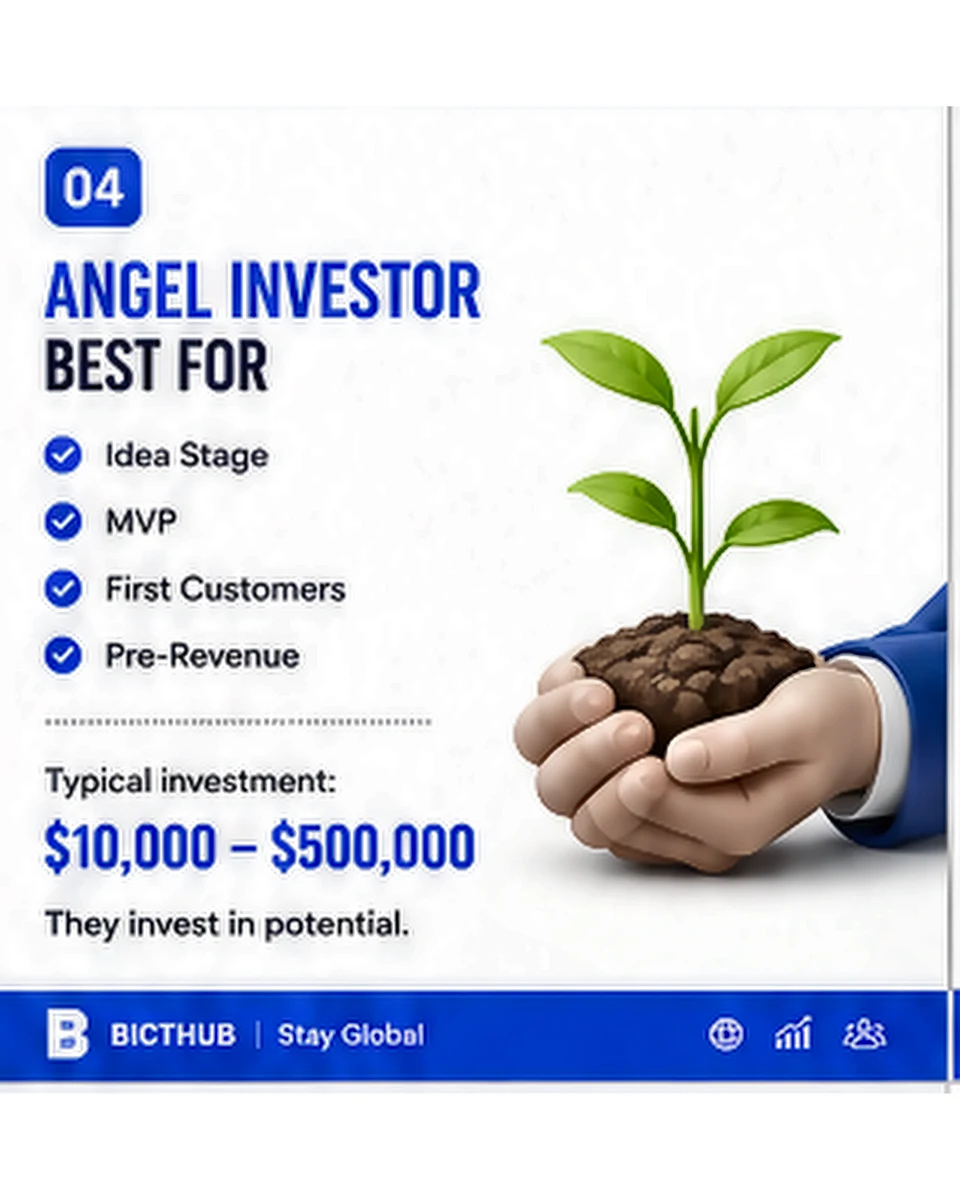
- Idea Stage
- MVP
- First Customers
- Pre-Revenue
Typical investment: $10,000–$500,000. They invest in potential.
Venture capital: best for growth
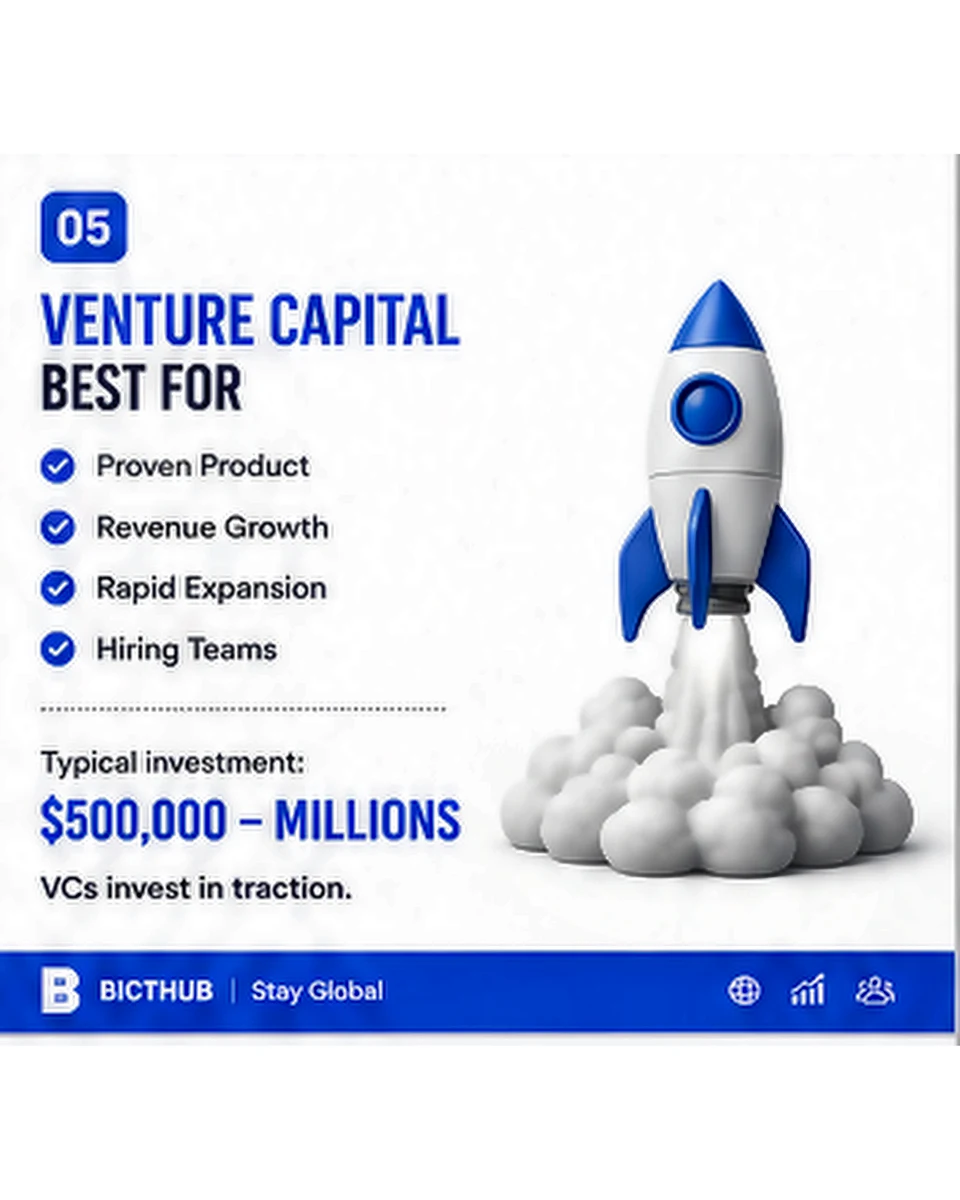
- Proven Product
- Revenue Growth
- Rapid Expansion
- Hiring Teams
Typical investment: $500,000 to millions. VCs invest in traction.
Beyond the money: angel investors

Angel investors often provide:
- Mentorship
- Industry experience
- Personal introductions
- Flexible decision-making
A great angel can become your biggest advocate.
What VCs bring
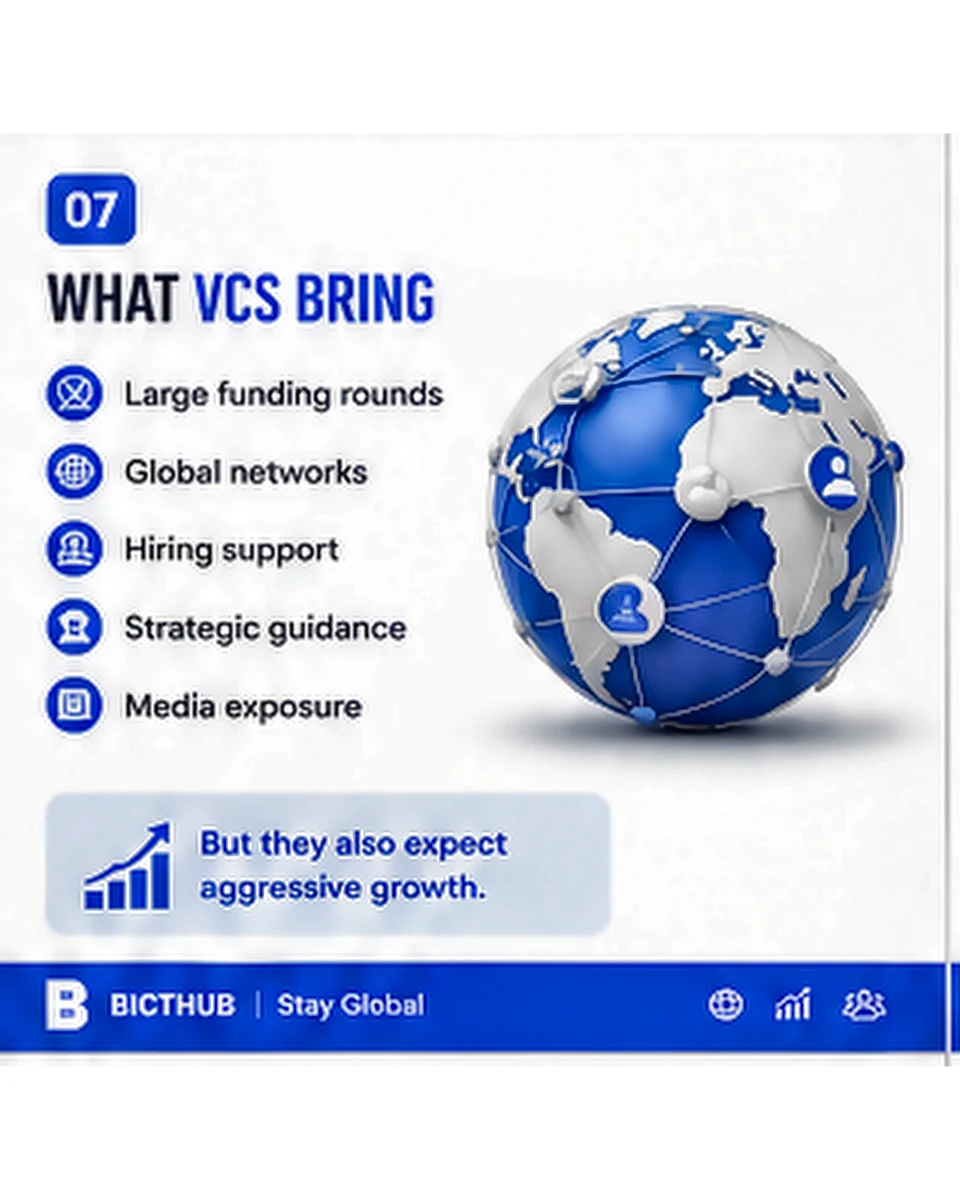
- Large funding rounds
- Global networks
- Hiring support
- Strategic guidance
- Media exposure
But they also expect aggressive growth.
The trade-off
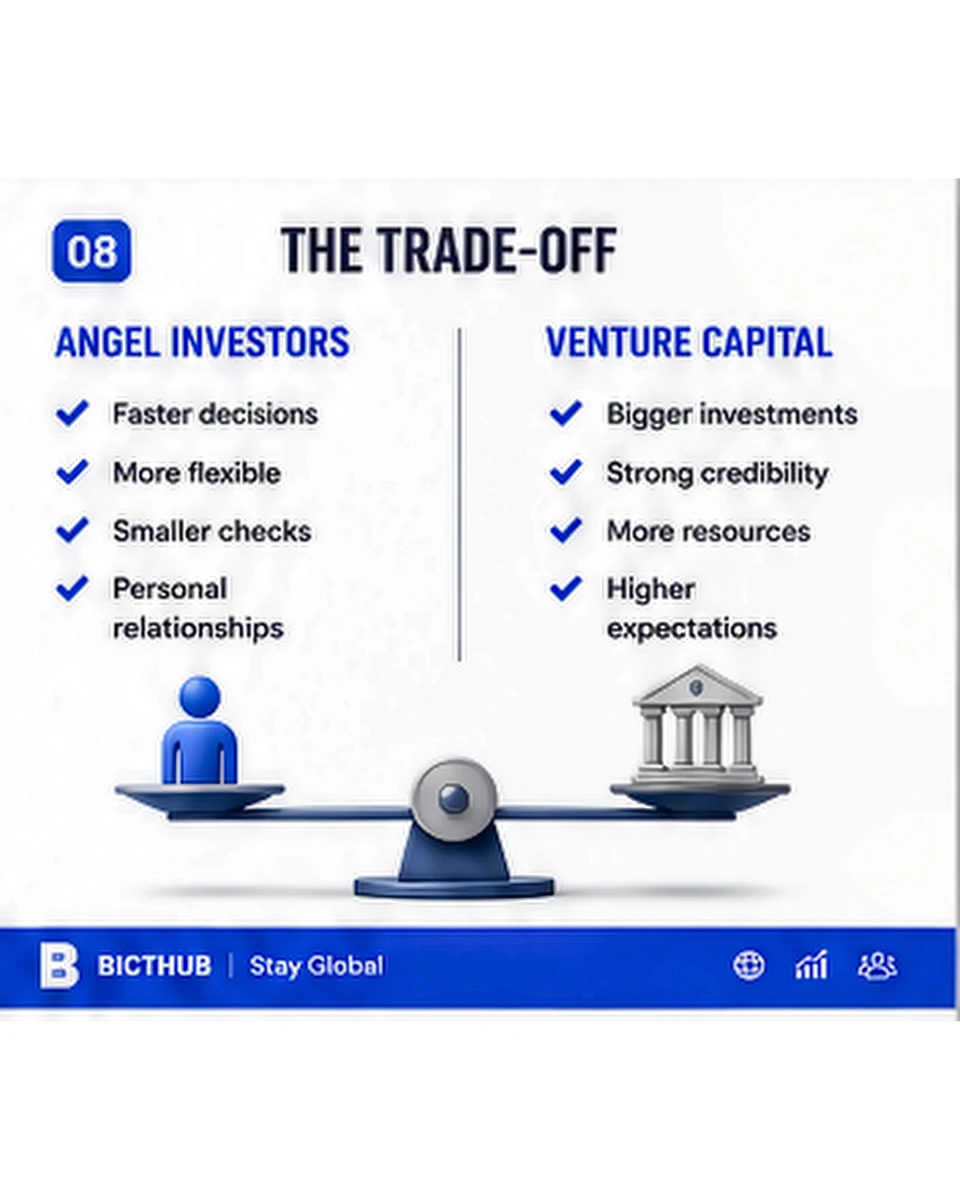
Angel investors offer faster decisions, more flexibility, smaller checks and personal relationships. Venture capital offers bigger investments, strong credibility, more resources and higher expectations.
Which is easier to raise?
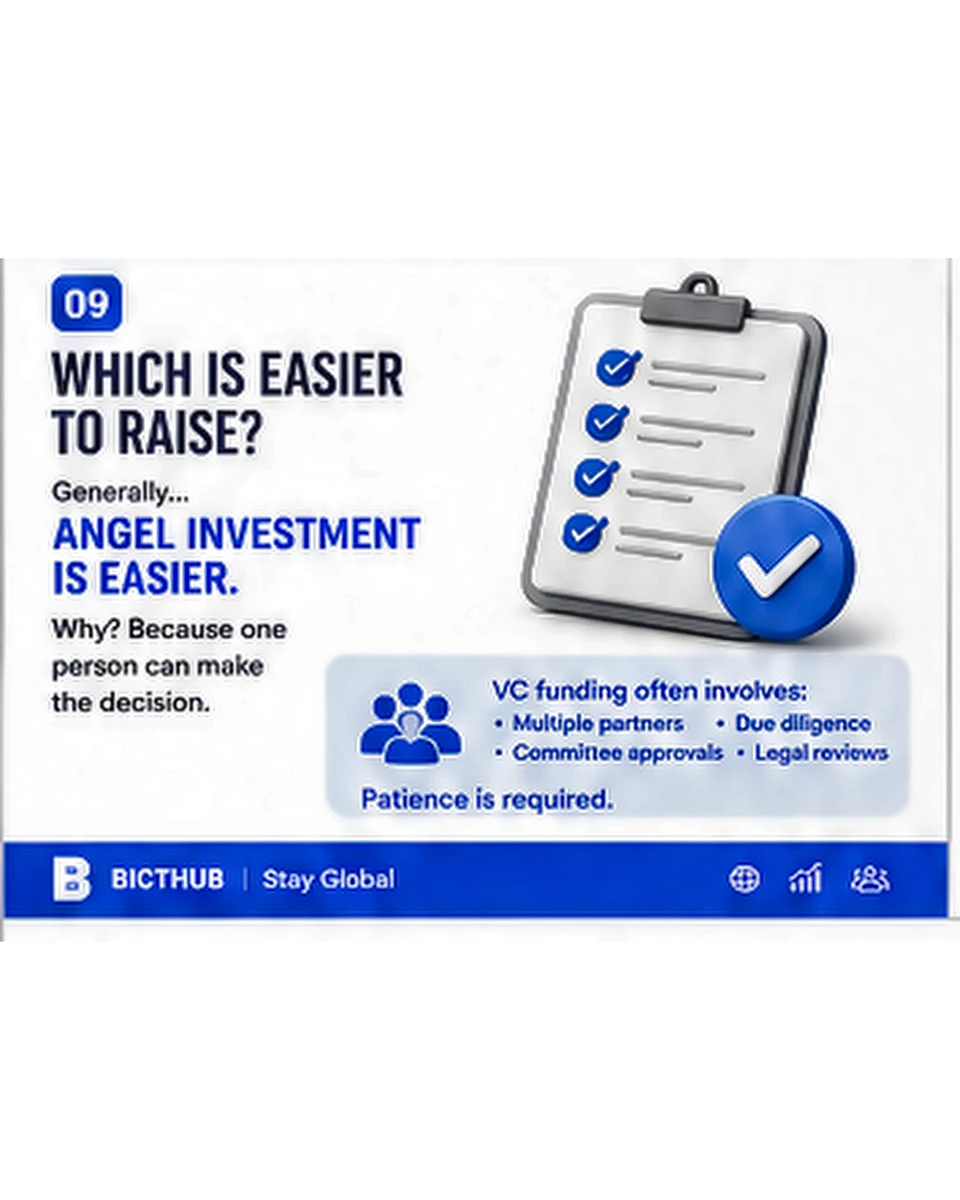
Generally, angel investment is easier. Why? Because one person can make the decision. VC funding often involves multiple partners, due diligence, committee approvals and legal reviews. Patience is required.
Should you raise venture capital?
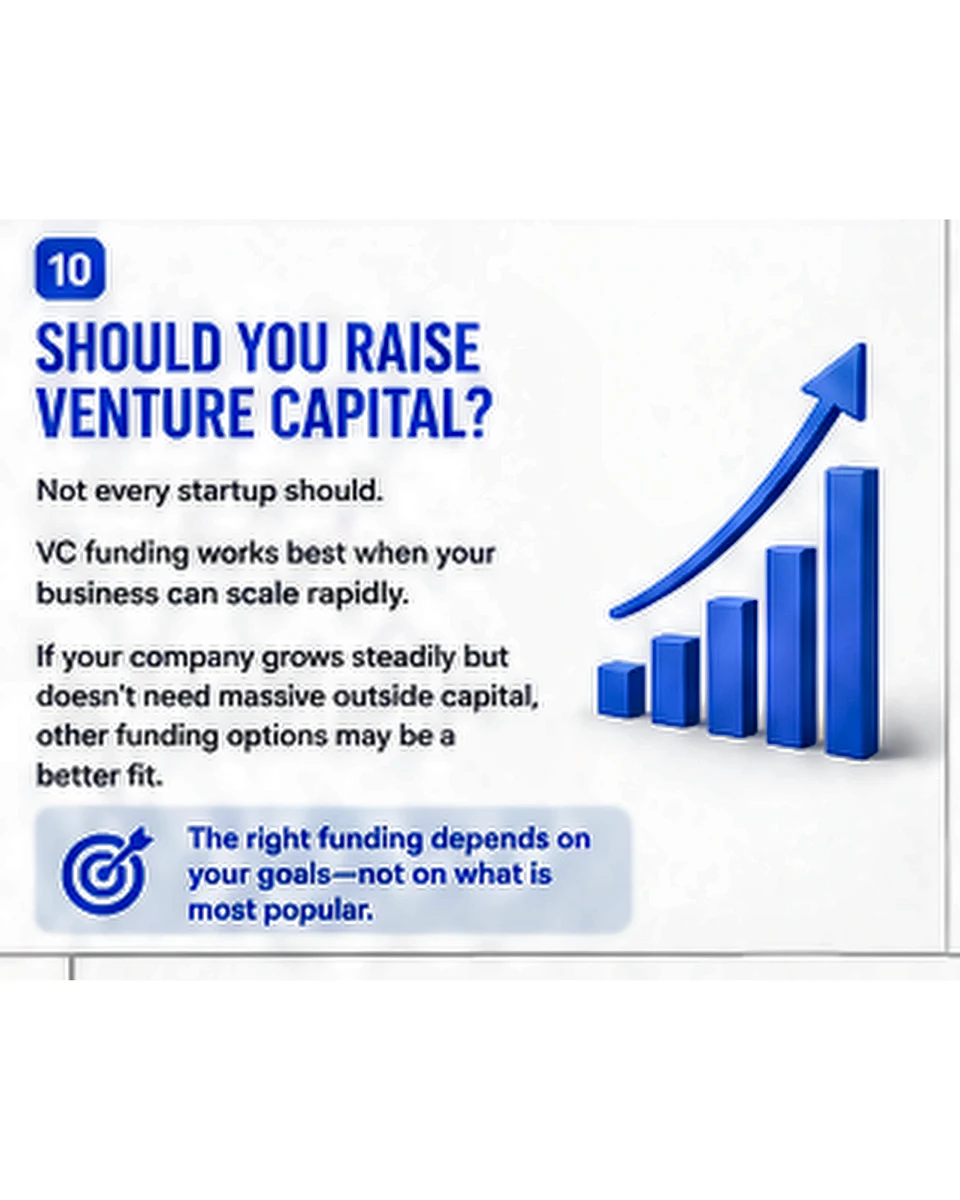
Not every startup should. VC funding works best when your business can scale rapidly. If your company grows steadily but doesn’t need massive outside capital, other funding options may be a better fit. The right funding depends on your goals—not on what is most popular.
Other funding options
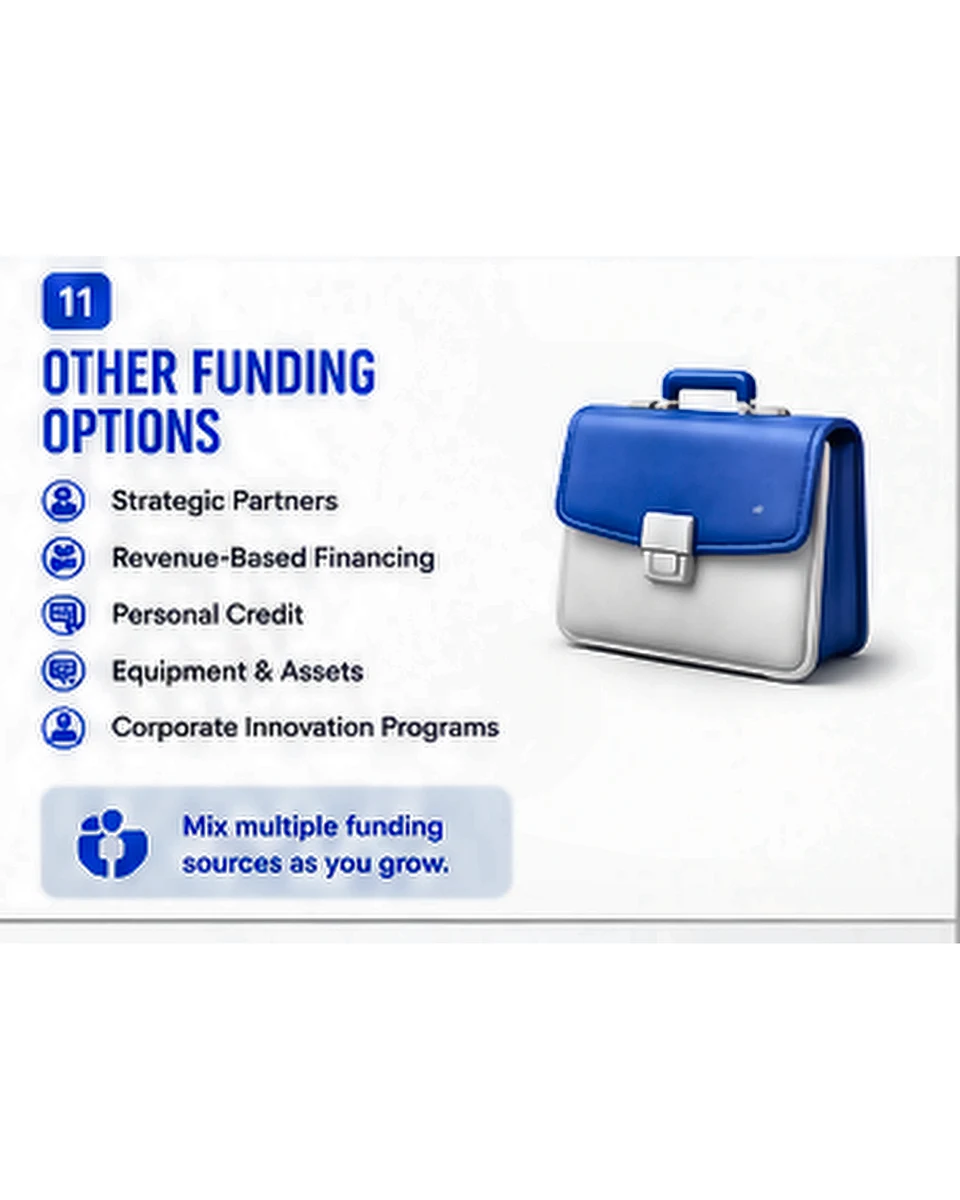
- Strategic Partners
- Revenue-Based Financing
- Personal Credit
- Equipment and Assets
- Corporate Innovation Programs
Mix multiple funding sources as you grow.
A quick comparison
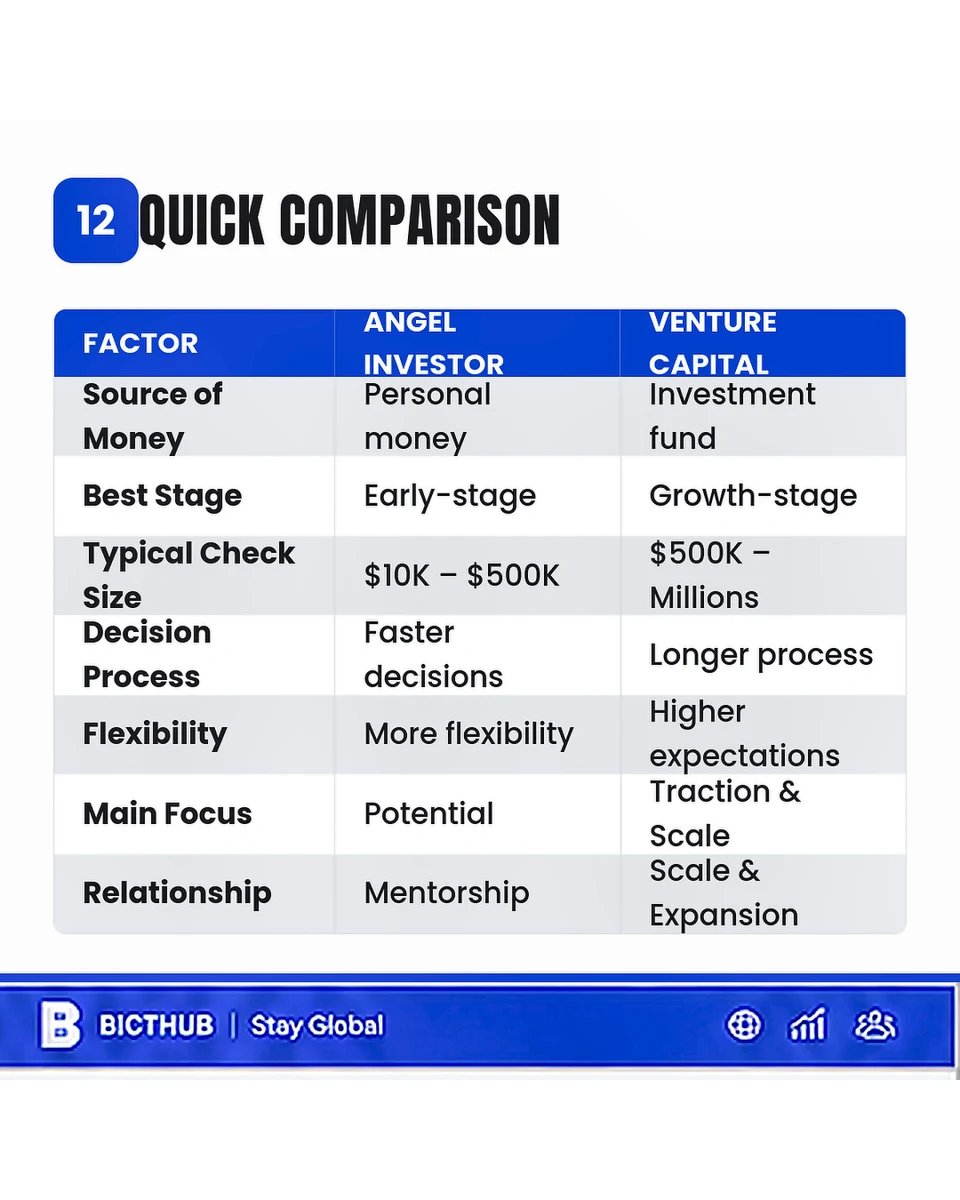
- Source of money: Angel investors use personal money; venture capital uses an investment fund.
- Best stage: Angels suit early-stage startups; venture capital suits growth-stage startups.
- Typical check size: Angels $10,000–$500,000; venture capital $500,000 to millions.
- Decision process: Angels make faster decisions; venture capital has a longer process.
- Flexibility: Angels offer more flexibility; venture capital has higher expectations.
- Main focus: Angels focus on potential; venture capital focuses on traction and scale.
- Relationship: Angels offer mentorship; venture capital supports scale and expansion.
Choose funding built for your stage

The right funding depends on your current position. Choose funding built for your stage. Follow @bicthub to learn more.
The best funding isn’t always the biggest check. It’s investment that matches your stage, vision, and goals.
Follow @bicthub for insights that take you global 🌍